Mac hard drives are known for their reliability, but like all hardware, they are not immune to failure. When a Mac hard drive starts to fail, the consequences can be severe—important documents, treasured photos, and critical work files may be lost in an instant. While data recovery tools and professional services can sometimes help, prevention is always better than cure. Understanding the common causes of Mac hard drive failure and learning how to mitigate these risks can save you time, money, and unnecessary stress.
This article will explore the most frequent reasons Mac hard drives fail, the science behind these mishaps, and practical, actionable steps you can take to avoid disaster. Whether you use a MacBook, iMac, or Mac mini, knowing these facts will help you keep your data safe and your Mac running smoothly.
Understanding How Mac Hard Drives Work
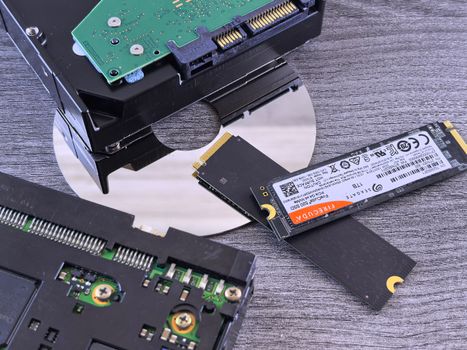
Before diving into causes of failure, it's helpful to understand the types of hard drives found in Macs and how they function. Macs have used both traditional hard disk drives (HDDs) and solid-state drives (SSDs) over the years. HDDs use spinning magnetic platters and moving heads to read and write data, while SSDs have no moving parts and store data on flash memory chips.
.png) According to Apple’s published specifications and user reports:
- Macs sold prior to 2012 primarily used HDDs.
- By 2024, over 85% of new Macs use SSDs due to their speed and reliability.
- Despite these improvements, both HDDs and SSDs are susceptible to different types of failure.
According to Apple’s published specifications and user reports:
- Macs sold prior to 2012 primarily used HDDs.
- By 2024, over 85% of new Macs use SSDs due to their speed and reliability.
- Despite these improvements, both HDDs and SSDs are susceptible to different types of failure.
Understanding the mechanics can help you recognize early warning signs and take preventive action.
Physical Damage: The Leading Cause of Mac Hard Drive Failure
Physical damage is one of the most common causes of hard drive failure, especially in portable devices like MacBooks. A sudden drop, hard bump, or even excessive vibration can disrupt the delicate internal components of an HDD. Even SSDs, while more shock-resistant, can suffer from damage to their circuit boards if dropped or exposed to liquid.
Real-world data highlights this risk: - A 2022 Backblaze report found that 28% of all failed hard drives examined had suffered some form of physical trauma. - Apple’s own support documentation notes that accidental drops are among the top reasons for MacBook repairs. To avoid physical damage: - Always use a padded case when transporting your MacBook. - Avoid using your Mac on unstable surfaces, such as bed covers or your lap on public transportation. - Keep liquids and food away from your workstation.If you suspect your Mac has experienced a hard impact, back up your data immediately and run Apple Diagnostics to check for hardware issues.
Electrical Issues: Power Surges, Failures, and Their Impact
Electrical disturbances pose a significant threat to both HDDs and SSDs. Power surges, often caused by lightning strikes or faulty wiring, can fry a hard drive’s electronics instantly. Even less dramatic events, like abrupt shutdowns or power outages, can corrupt data and damage drive components over time.
Notable statistics include: - The National Fire Protection Association estimates that the cost of electrical surges in the US exceeds $5 billion annually, affecting computers and peripherals. - A 2021 survey by PCMag found that 12% of hard drive failures reported by users were linked to power-related issues. Protect your Mac against electrical issues by: - Using a high-quality surge protector or an uninterruptible power supply (UPS). - Ensuring your power cables and adapters are in good condition. - Avoiding plugging your Mac into overloaded extension cords or outlets.Regularly saving your work and enabling auto-save features in apps can also minimize data loss during unexpected shutdowns.
Overheating: The Silent Threat to Mac Hard Drives
Heat is an enemy of electronics. Both HDDs and SSDs in Macs are designed to operate within specific temperature ranges. Prolonged exposure to high temperatures can accelerate wear and tear on hard drive components, leading to premature failure.
Key facts about overheating: - According to Seagate, operating temperatures above 50°C (122°F) can reduce hard drive lifespan by up to 40%. - Apple recommends keeping Macs in environments between 10°C and 35°C (50°F to 95°F). Overheating can result from: - Blocked air vents or fans - Dust build-up inside the Mac - Running resource-intensive applications for long periods without breaks Prevention tips: - Keep your Mac clean and dust-free, especially around air vents. - Avoid leaving your Mac in hot cars or direct sunlight. - Use a cooling pad if you regularly perform heavy tasks like video editing or gaming.If you notice your Mac becoming unusually hot, use the Activity Monitor to identify demanding processes, and consider shutting down or restarting your device to cool off.
Software Corruption and Malware: Hidden Causes of Drive Failure
While physical and electrical causes are more obvious, software-related issues can be just as damaging. File system corruption—caused by improper shutdowns, failed software updates, or malware—can render a hard drive inaccessible. Though macOS is less prone to viruses than other operating systems, no computer is immune.
For example: - The 2023 “Silver Sparrow” malware campaign targeted Macs and was detected on over 30,000 machines worldwide, causing system instability and data corruption in some cases. - A study by Kaspersky found that nearly 10% of data loss incidents on Macs were linked to software corruption or malicious activity. How to avoid these risks: - Keep your macOS and all software up to date with the latest security patches. - Install reputable antivirus and anti-malware tools—even on a Mac. - Use Disk Utility to regularly check your drive’s health and repair permissions.If you notice files disappearing, strange error messages, or unusual system behavior, run a malware scan and back up your data as soon as possible.
Natural Wear and Aging: When Time Catches Up with Your Drive
No hard drive lasts forever. Even under ideal conditions, every drive has a finite lifespan. Traditional HDDs rely on moving parts that wear out, while SSDs have a limited number of write cycles before their memory cells degrade.
Average drive lifespans: - HDDs: 3 to 5 years under normal use - SSDs: 5 to 10 years, depending on usage and qualityA 2024 study by the University of Toronto found that 15% of hard drives tested failed within the first four years of use, largely due to natural wear and tear.
Warning signs of an aging drive include: - Slower performance - Frequent system crashes - Strange noises (clicking or grinding for HDDs) To minimize the risks: - Monitor your drive’s health using macOS’s built-in SMART status, found in Disk Utility. - Replace your hard drive proactively every 4-5 years, even if no issues are apparent. - Always keep current backups of your important data.Comparing Common Causes of Mac Hard Drive Failure
Below is a comparative table summarizing the key causes of Mac hard drive failure, their warning signs, and preventive measures.
| Cause | Warning Signs | Prevention Tips |
|---|---|---|
| Physical Damage | Won't boot, clicking noises, visible dents | Use padded cases, avoid drops, keep workspace clear |
| Electrical Issues | Sudden shutdowns, won't power on, data corruption | Use surge protectors/UPS, check cables, avoid overloaded outlets |
| Overheating | Frequent crashes, hot casing, fan noises | Keep vents clear, clean regularly, avoid hot environments |
| Software Corruption | Error messages, lost files, boot failures | Update software, run antivirus, use Disk Utility checks |
| Natural Wear & Aging | Slow performance, recurring errors, strange noises | Monitor SMART status, replace every 4-5 years, back up data |
Final Thoughts on Preventing Mac Hard Drive Failure
Hard drive failure can strike at any time, but understanding the most common causes empowers you to take preventative action. From guarding your Mac against physical shocks and electrical surges to keeping its software healthy and monitoring for aging, a few proactive habits can extend your drive’s lifespan and safeguard your data.
Regular backups are your best insurance—no matter how careful you are, hardware can still fail unexpectedly. Use Time Machine, iCloud, or another trusted backup solution to ensure your files are never lost for good.
By staying informed and vigilant, you can significantly reduce the risk of Mac hard drive failure, keeping your digital life safe and your Mac running at its best.