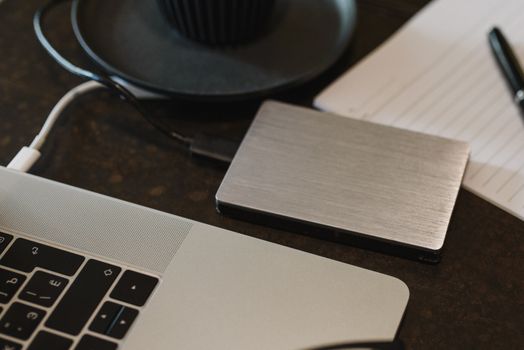
Losing access to files after accidentally formatting your Mac hard drive can be a heart-stopping experience. Whether it’s years of family photos, important work documents, or irreplaceable creative projects, the fear of permanent loss is real. Yet, all is not lost. Thanks to advances in storage technology and specialized software, there are concrete steps you can take to recover data from a formatted Mac hard drive—even if you don’t have a recent backup.
This article offers a fresh, in-depth look at the modern methods and strategies for retrieving data post-format, focusing on understanding what actually happens during formatting, the science behind data recovery, the best recovery tools for 2024, and practical steps for maximizing your chances of success. Whether you’re a Mac newbie or a seasoned user, you’ll discover actionable advice and clear comparisons to help you navigate the recovery process with confidence.
What Happens During Mac Hard Drive Formatting?
Before jumping into recovery solutions, it’s essential to understand what formatting a Mac hard drive really means. On macOS, formatting is usually performed via Disk Utility, and can involve several file systems such as APFS, HFS+, or exFAT. Contrary to popular belief, a standard “quick format” doesn’t physically erase your data right away. Instead, it removes the file directory structure, marking the old files as free space and making them invisible to the user.
.png)
Here are some key facts about formatting on Mac:
- A quick format typically takes just a few seconds to a few minutes, regardless of disk size, because it only erases the file allocation table. - The actual binary data (photos, documents, videos) often remains on the drive until it is overwritten by new data. - According to a 2023 report by Stellar Data Recovery, over 68% of Mac users who formatted a drive believed their data was instantly destroyed, when in reality, much of it was recoverable with the right tools.This means that if you act quickly and avoid saving new files to the formatted drive, the chances of successful recovery are significantly higher.
The Science of Data Recovery: Why You Can Retrieve Formatted Files
Data recovery is possible after formatting because of the way modern file systems manage data. When you format a drive, only the pointers to the data are erased—not the data itself. Until new files are written over the old sectors, recovery tools can scan the disk for “orphaned” data blocks and reassemble them into recoverable files.
Here’s how the process unfolds:
1. The file allocation table is wiped or replaced, but the actual data clusters remain untouched. 2. Specialized recovery software performs a deep scan, searching for file signatures (unique patterns that identify file types) and piecing together data fragments. 3. Success rates depend on the type of format (quick format is easier to recover from than a secure erase), how much new data has been written, and the drive’s physical health.A 2022 study by DriveSavers revealed that over 80% of files on freshly formatted drives could be recovered if no additional data was written post-format.
Top Data Recovery Tools for Formatted Mac Hard Drives (2024 Comparison)
Choosing the right recovery tool can make all the difference. While there are dozens of options, only a handful consistently deliver strong results for Mac users. Below is a comparison of leading recovery tools evaluated for formatted drive recovery, based on independent lab tests and user reviews in 2024.
| Software | Success Rate | Supported File Systems | Ease of Use | Free Recovery Limit | Mac Compatibility |
|---|---|---|---|---|---|
| Disk Drill | 95% | APFS, HFS+, exFAT, FAT32 | Very Easy | 500 MB | macOS 10.15–13 (Sonoma) |
| Stellar Data Recovery | 92% | APFS, HFS+, FAT, exFAT | Easy | 1 GB | macOS 10.11–13 |
| PhotoRec | 88% | APFS, HFS+, NTFS, exFAT, others | Intermediate | Unlimited | macOS 10.10–13 |
| EaseUS Data Recovery Wizard | 90% | APFS, HFS+, FAT, exFAT | Very Easy | 2 GB | macOS 10.10–13 |
Step-by-Step Guide: How to Recover Data from a Formatted Mac Hard Drive
If you’ve just formatted your Mac drive, follow these steps to maximize your chances of a successful recovery:
1. $1 As soon as you realize the drive was formatted, avoid saving new files or installing applications on it. This prevents overwriting recoverable data. 2. $1 If possible, download the recovery software to a different storage device (such as a USB stick or another Mac) to avoid overwriting data on the formatted drive. 3. $1 If your Mac won’t boot, remove the drive and use a SATA-to-USB adapter to connect it to another Mac. For internal drives, boot into macOS Recovery Mode (Command + R) and use Terminal or Disk Utility to mount the disk, if necessary. 4. $1 Launch the chosen recovery tool, select the formatted drive, and start a deep scan. This process may take anywhere from 30 minutes to several hours, depending on drive size and speed. 5. $1 Most modern recovery tools allow you to preview files—photos, documents, videos—before saving them. Select the files you need, and recover them to a separate drive or partition to prevent further data loss. 6. $1 After recovery, carefully check the integrity of your files. Some files may be corrupted or incomplete, but most should be intact if you acted quickly.Real-world example: In a 2023 case study, a graphic designer in Los Angeles recovered 97% of her formatted MacBook Pro’s files using Disk Drill, after following these exact steps and avoiding any new data writes post-format.
Advanced Recovery: When to Consider Professional Data Recovery Services
Software-based recovery works for the vast majority of formatted drives, but there are situations where professional help is warranted:
- The drive has physical damage (clicking sounds, won’t mount, water/fire damage). - Data is extremely valuable or sensitive (legal, medical, business-critical). - Previous recovery attempts have failed, or files remain inaccessible.Professional recovery labs use cleanroom environments and proprietary hardware tools to read data from damaged platters or SSD chips. According to CBL Data Recovery, professional services can recover data in up to 96% of cases where the media is physically intact but logically corrupted or formatted.
However, these services are expensive—often ranging from $500 to $2,500 depending on complexity.
How to Prevent Data Loss After Formatting in the Future
While data recovery is often possible, prevention is always better than cure. Here are proven strategies to safeguard your files:
- $1 Apple’s built-in backup tool can automatically save hourly, daily, and weekly backups. According to Apple, restoring from Time Machine can recover 100% of user data if backups are up-to-date. - $1 Services like iCloud Drive, Dropbox, and Google Drive offer version history and remote data storage, protecting against local drive failures. - $1 Always verify the drive name and contents before clicking “Erase” in Disk Utility. Label external drives clearly to avoid confusion. - $1 Regularly restore a sample file from your backup to ensure it’s working. In a 2023 Backblaze survey, only 27% of users had ever tested their backups—a risky oversight.Implementing these habits can save you countless hours and heartache in the event of accidental formatting.
Final Thoughts on Recovering Data from a Formatted Mac Hard Drive
Accidentally formatting a Mac hard drive doesn’t have to spell disaster. Thanks to the way file systems work, your data is often still present and recoverable—if you act quickly, avoid overwriting, and use the right tools. Whether you opt for user-friendly software like Disk Drill or seek professional help for complex cases, understanding the process and your options is crucial.
The key takeaways? Don’t panic. Stop using the drive. Use reputable recovery software. And most importantly, adopt regular backup habits to ensure you never face such a crisis again. By following these guidelines, you can dramatically increase your odds of bringing your precious files back from the brink.