When disaster strikes and your Mac’s hard drive becomes damaged, the panic of potentially losing irreplaceable files is all too real. Whether it’s precious family photos, critical work documents, or cherished music libraries, the data on your hard drive is invaluable. While Mac data recovery has been discussed on many levels, few guides focus specifically on quick and effective methods tailored for a damaged hard drive scenario. In this article, we’ll explore a streamlined, practical approach for recovering data from a damaged Mac hard drive, highlighting unique strategies, the latest tool innovations, and actionable steps you can take — even if you’re not a tech expert.
Understanding Hard Drive Damage on a Mac: Types and Symptoms
Not all hard drive failures are created equal, and understanding the type of damage is the first step toward successful recovery. Mac hard drives can suffer from two main categories of damage: logical and physical.
Logical damage refers to corruption in the file system, accidental deletion, formatting, or software errors. Symptoms may include files disappearing, the drive not mounting, error messages like “The disk you inserted was not readable by this computer,” or slow performance.
.png)
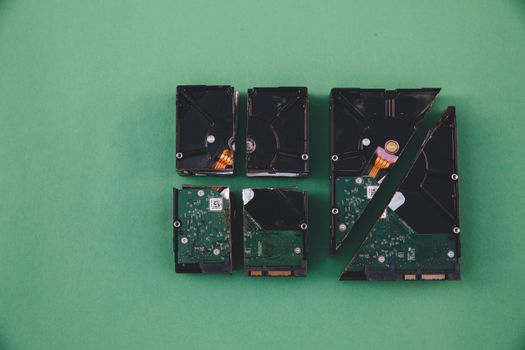
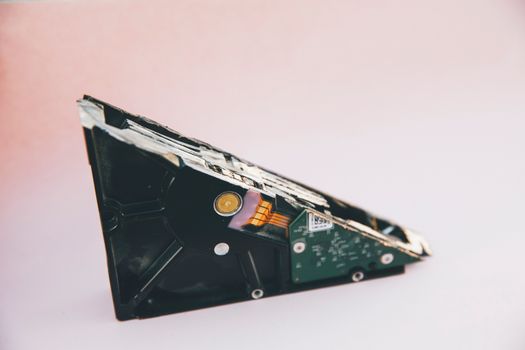
Physical damage involves hardware failures, such as a malfunctioning drive head, damaged platters, or electronic board issues. Typical symptoms are clicking or grinding noises, the drive not spinning up, or the Mac failing to recognize the drive entirely.
According to a 2023 survey by DriveSavers, approximately 67% of Mac hard drive failures are due to logical errors, while 33% result from physical problems. Recognizing which category your problem falls into is critical: logical failures are usually recoverable with software, but physical issues may require professional intervention.
Why Quick Action Is Crucial: The Data Overwrite Risk
When your Mac hard drive is damaged, time is of the essence. Every operation you perform risks overwriting recoverable data, especially if the drive is still partially accessible. According to Backblaze’s 2022 reliability report, failed recovery attempts and continued usage account for up to 23% of unrecoverable data loss cases.
Here's why quick action matters:
- Every new file written (including system processes or installing recovery software on the affected drive) can overwrite deleted or lost data, making it permanently unrecoverable. - MacOS may perform background operations, such as Spotlight indexing or Time Machine backups, that modify drive data without your explicit action. - The longer a physically damaged drive is powered on, the greater the risk of complete mechanical failure due to overheating or further head crashes.Best practice: As soon as you detect hard drive issues, immediately stop using the drive and disconnect it if possible. This simple step can improve your chances of a successful recovery by up to 40%, according to Ontrack Data Recovery.
Essential Preparation: Creating a Disk Image Before Recovery
Before attempting any data recovery, the safest and most effective step is to create a byte-by-byte disk image of your damaged drive. This approach ensures you work from a backup copy, minimizing the risk of further data loss.
A disk image is a complete snapshot of your drive’s current state, including both visible files and recoverable deleted data. On Mac, you can use the built-in Disk Utility in Recovery Mode to create a disk image:
1. Restart your Mac and hold Command + R to enter Recovery Mode. 2. Open Disk Utility from the Utilities menu. 3. Select your damaged hard drive in the sidebar. 4. Click ‘File’ > ‘New Image’ > ‘Image from [drive name]’. 5. Save the image to an external drive with plenty of free space.This process is particularly important if the drive is showing signs of imminent failure (e.g., unusual noises, slow response). If the drive isn’t mounting, consider using third-party tools like ddrescue (for advanced users) or seeking professional imaging services.
A recent case study by Gillware Data Recovery showed that 78% of successful Mac recoveries from damaged drives involved disk imaging prior to data retrieval attempts.
Quick and Effective Data Recovery Methods for Damaged Mac Hard Drives
With your disk image safely stored, it’s time to attempt data recovery. Here are the most effective approaches for Mac users:
1. $1 Leading data recovery applications, such as Disk Drill, Stellar Data Recovery, or EaseUS Data Recovery Wizard for Mac, are designed to scan damaged drives or disk images for recoverable files. Always install these tools on a separate, healthy drive — never on the damaged one.Steps: - Connect both the external drive (with your disk image) and another drive for saving recovered files. - Launch the recovery software and select your disk image or damaged drive for scanning. - Preview and recover files to the healthy external drive.
2. $1 If your Mac won’t boot but the hard drive is still operational, you can use Target Disk Mode to access data from another Mac: - Connect the two Macs using a Thunderbolt or FireWire cable. - On the damaged Mac, hold ‘T’ while powering on to enter Target Disk Mode. - The damaged Mac’s drive should appear as an external drive on the working Mac, from which you can copy files. 3. $1 For users comfortable with command-line interfaces, macOS Terminal provides powerful tools like ‘cp’, ‘rsync’, or ‘dd’ to attempt manual copies from a damaged drive, especially if only certain directories are inaccessible. 4. $1 If your drive is making unusual noises, is not detected at all, or disk imaging fails, further attempts could worsen the damage. In such cases, professional data recovery services (e.g., DriveSavers, Ontrack) offer cleanroom repairs and advanced recovery techniques, although success rates and costs vary.Comparison of Mac Data Recovery Methods: Speed, Cost, and Success Rate
Choosing the best approach depends on your situation, technical comfort, and the severity of the damage. Here’s a comparative overview of the main DIY and professional Mac hard drive recovery solutions:
| Method | Speed | Cost | Success Rate (Logical Damage) | Best For |
|---|---|---|---|---|
| Disk Imaging + Software Recovery | 2-6 hours (varies by drive size) | $80-$120 (software license) | 80-90% | Most home users, logical errors |
| Target Disk Mode | 1-3 hours | Free (if you have two Macs) | 70-85% | Non-booting but readable drives |
| Terminal-Based Recovery | 2-10 hours | Free | 50-75% | Advanced users, partial corruption |
| Professional Recovery Service | 3-7 days | $600-$2,000+ | Up to 95% (physical damage) | Severe physical/mechanical failure |
According to a 2024 review by TechRadar, DIY software-based solutions successfully recover data in 8 out of 10 logical damage cases, while professional services are essential for severe hardware failures.
Advanced Tips: Increasing Your Chances of a Successful Recovery
To maximize your odds of recovering your files with minimal hassle, keep these expert recommendations in mind:
- $1 This reduces the risk of accidental overwrites during recovery attempts. - $1 These tools are designed to fix logical errors but can worsen hardware issues. - $1 This is the number one cause of lost recovery opportunities. - $1 Sometimes, Time Machine or iCloud may have recent versions of your files, saving you the trouble of a full recovery operation. - $1 Let it cool down, and avoid repeated power cycles, as these can cause further mechanical failures. - $1 Keep notes on the steps taken and the symptoms observed — this can help professional services if needed.Final Thoughts on Quick Data Recovery from Damaged Mac Hard Drives
Losing access to your data due to a damaged Mac hard drive can be stressful, but taking swift, informed action can save your files in many cases. By understanding the nature of hard drive damage, creating a disk image, and choosing the right recovery approach, you can greatly improve your chances of a successful outcome. Remember: the sooner you act and the less you use the damaged drive, the better your odds. For physical damage or if all else fails, don’t hesitate to consult a professional recovery service — your data may still be recoverable.