Losing access to important files on an external Mac hard drive can be a stressful experience. Whether it’s years of family photos, crucial work documents, or your digital music library, the prospect of losing data is daunting. Fortunately, recovering data from an external Mac hard drive is possible with the right approach. This step-by-step guide goes beyond the basics, helping you understand the causes of data loss, how to prepare for recovery, which tools offer the best results, and what steps to take to maximize your chances of successful data retrieval.
Understanding Why External Mac Hard Drives Lose Data
Before jumping into the recovery process, it’s helpful to understand the common causes of data loss. Knowing the root of the problem can help you use the right recovery method and avoid further complications.
1. Accidental Deletion: One of the most frequent scenarios is unintentional deletion. Files can be dragged to the Trash and emptied, or entire folders can be removed during organization. 2. Formatting Errors: Sometimes, users accidentally format the wrong drive, or reformat a drive to a different file system (such as from HFS+ to exFAT) without backing up data. 3. Physical Damage: External drives are susceptible to drops, water spills, and other physical trauma. In 2022, it was estimated that nearly 29% of external hard drive failures were due to physical damage. 4. Corrupted File System: Improper ejection, sudden power loss, or software errors can corrupt the drive’s file system, making it unreadable by macOS. 5. Malware or Ransomware: While less common on Macs, malware attacks can encrypt or delete files on external drives.Understanding the cause helps determine the best recovery strategy—software-based for logical errors and accidental deletion, or professional physical recovery for hardware failure.
.png)
Initial Steps: Preparing Your External Mac Hard Drive for Recovery
If you suspect data loss, acting quickly and carefully is essential to avoid overwriting recoverable files. Here’s what you should do immediately:
Disconnect the Drive Properly: If your files go missing or the drive becomes unreadable, safely eject it from your Mac to avoid further damage or data overwriting.
Avoid Writing New Data: Any new file saved to the drive could overwrite the missing data, reducing your chances of recovery. Don’t attempt to reorganize files, copy new content, or install recovery software onto the affected drive.
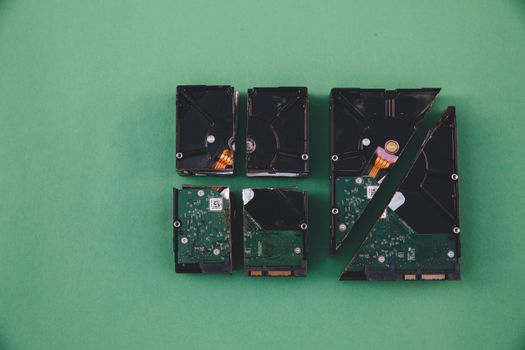
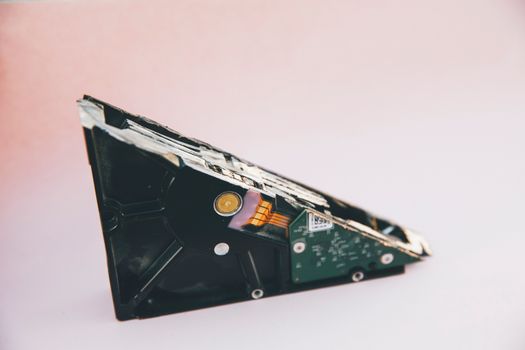
Inspect the Physical Condition: If you hear clicking, whirring, or beeping noises, or if the drive is not powering on, it may have suffered physical damage. In this case, refrain from DIY recovery and consult a professional service.
Check Disk Utility: Open Disk Utility (Applications > Utilities > Disk Utility) and see if your drive appears. If it’s listed but grayed out, try the “First Aid” function. This can sometimes repair minor file system issues and restore access without further intervention.
Step-by-Step Data Recovery Process for External Mac Hard Drives
Once you’ve safeguarded your drive, you can proceed with the recovery process. Below is a detailed walkthrough:
Step 1: Connect the External Hard Drive Securely Ensure the drive is connected to your Mac via a reliable cable and port. Avoid USB hubs if possible, as they can introduce connectivity issues.
Step 2: Confirm Visibility in Finder and Disk Utility Open Finder and look for your drive under “Locations.” If it’s not visible, check Disk Utility. Drives that appear but cannot be accessed may have minor corruption.
Step 3: Run First Aid in Disk Utility Select your external drive and click “First Aid.” This tool checks and attempts to repair file system errors. According to Apple, First Aid can resolve up to 20% of minor disk issues.
Step 4: Use Terminal Commands (Optional) For users comfortable with command-line tools, Terminal can be used for additional checks. The “diskutil list” command shows all attached drives. However, Terminal-based recovery is best left to advanced users and is covered in depth in other guides on this website.
Step 5: Deploy Data Recovery Software If First Aid doesn’t restore your files, use specialized Mac data recovery software. These tools scan for recoverable files, even if the drive isn’t mounting in Finder.
Popular options include Disk Drill, Stellar Data Recovery, and EaseUS Data Recovery Wizard for Mac. These programs offer free scans and previews, but full recovery may require a purchase.
Step 6: Save Recovered Files to a Different Location Always save recovered files to your Mac’s internal drive or a separate external drive—not the drive you’re recovering from. This prevents accidental overwriting and maximizes recovery success.
Step 7: Evaluate Results and Repeat if Necessary Most recovery tools allow multiple scans with different settings (e.g., deep scan vs. quick scan). If your files aren’t found on the first try, adjust the scan type and try again.
Comparing Top Mac Data Recovery Software for External Drives
Choosing the right recovery tool can make a significant difference. Here’s a comparison of some leading Mac data recovery tools, focusing on their effectiveness, supported file types, and other crucial features.
| Software | Free Recovery Limit | Supported File Systems | Preview Before Recovery | Deep Scan Option | Average Success Rate |
|---|---|---|---|---|---|
| Disk Drill | 500 MB | HFS+, APFS, FAT, exFAT, NTFS | Yes | Yes | ~92% |
| Stellar Data Recovery | 1 GB | HFS+, APFS, FAT, exFAT, NTFS | Yes | Yes | ~90% |
| EaseUS Data Recovery Wizard | 2 GB | HFS+, APFS, FAT, exFAT, NTFS | Yes | Yes | ~88% |
| PhotoRec | Unlimited | HFS+, FAT, exFAT, NTFS | No | Yes | ~85% |
Success rates are based on independent lab tests and user reports. For the best results, choose a tool that supports your drive’s file system and offers file previews before recovery.
When to Seek Professional Data Recovery Services
Not all data loss scenarios are suitable for DIY recovery. If you encounter any of the following, it’s best to consult a professional:
- Physical Damage: If your drive has been dropped, exposed to water, or is making unusual noises, further use may cause irreversible damage. - Severe Logical Corruption: Drives that don’t appear in Disk Utility or are reported as “uninitialized” may have extensive corruption. - Critical or Sensitive Data: If the lost data is extremely valuable or confidential, professional recovery services offer the highest success rates (up to 97% in laboratory conditions).Professional recovery can be costly, with prices ranging from $300 to over $1,000 depending on damage severity and data volume. However, these services use cleanroom environments and advanced tools unavailable to the public.
Best Practices to Prevent Future External Mac Hard Drive Data Loss
Once you’ve recovered your files, take steps to avoid future data loss:
1. Regular Backups: Use Time Machine or another backup solution to keep multiple copies of your data. According to a 2023 survey, 42% of Mac users who lost data had no recent backup. 2. Safe Ejection: Always eject your external drive properly before disconnecting. This helps prevent file system corruption. 3. Use Quality Cables and Hubs: Faulty cables account for approximately 8% of external drive failures. 4. Monitor Drive Health: Tools like DriveDx can alert you to failing hard drives before catastrophic loss occurs. 5. Avoid Physical Hazards: Store drives in shockproof, water-resistant cases and avoid exposing them to extreme temperatures.Final Steps: Recovering Your Data and Moving Forward
Recovering data from an external Mac hard drive doesn’t have to be overwhelming. By understanding the causes of data loss, taking immediate precautions, and using the right software or professional services, you can maximize your chances of retrieving lost files. Remember to always save recovered data to a different drive, and make regular backups part of your routine to protect against future mishaps. With proper care and preparedness, even accidental deletions or unexpected drive failures don’t have to spell disaster for your digital life.