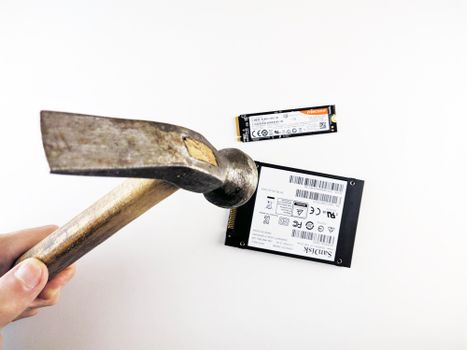
If you’ve just updated your Mac’s operating system and discovered that important files have vanished, you’re not alone. System updates are designed to improve performance, fix bugs, and introduce new features, but sometimes they can also lead to unexpected data loss. Whether it’s missing documents, photos, or crucial work files, the experience can be both alarming and confusing. Fortunately, there are multiple ways to recover lost files from a Mac after a system update, and understanding the right steps can dramatically improve your chances of a full recovery.
In this detailed guide, we’ll explore why files can disappear after a macOS update, how to use built-in and third-party tools to restore your data, and what strategies offer the best chances of success. We’ll also share prevention tips and a comparative overview of recovery options for different scenarios.
Why Files Go Missing After a macOS Update
A system update should, in theory, leave your personal files untouched. However, real-world cases show that data loss does happen, especially during major upgrades or when something interrupts the process. Here are common reasons files may disappear after updating your Mac’s OS:
.png) - User account migration errors: Sometimes, macOS creates a new user account if it encounters issues during the update, leaving your original files in a different location.
- Temporary files deletion: macOS may clear caches or temporary directories, taking unsaved documents with them.
- Incomplete installation: Power loss or interrupted updates can cause file system corruption or partial data migration.
- Incompatibility: Older files or apps may not migrate correctly if they're incompatible with the new OS version.
- User account migration errors: Sometimes, macOS creates a new user account if it encounters issues during the update, leaving your original files in a different location.
- Temporary files deletion: macOS may clear caches or temporary directories, taking unsaved documents with them.
- Incomplete installation: Power loss or interrupted updates can cause file system corruption or partial data migration.
- Incompatibility: Older files or apps may not migrate correctly if they're incompatible with the new OS version.
In 2023, Apple reported that fewer than 0.5% of users experienced data loss after a system update, but with over 100 million active Macs worldwide, that still means hundreds of thousands of affected users each year.
Immediate Actions to Take After File Loss
If you notice missing files after a system update, acting quickly improves your recovery chances. Here’s what you should do as soon as you spot the problem:
1. $1 Writing new data can overwrite recoverable files, especially on SSDs. 2. $1 Sometimes, files are linked to a different user account post-update. Log out and see if another account holds your data. 3. $1 Updates can move files to “Relocated Items” or similar folders on your desktop. 4. $1 Use macOS’s search (Cmd + Space) to look for missing files by name or extension. 5. $1 These actions can further decrease your chances of recovery if not done properly.According to a 2022 MacWorld survey, users who stopped using their Mac immediately after noticing file loss were 65% more likely to recover all or most of their files than those who continued regular use.
Using Built-In macOS Tools to Recover Lost Files
Apple includes several built-in features to help users recover lost data. Here’s how you can leverage them effectively:
$1
Time Machine is Apple’s native backup solution. If you set up Time Machine before your system update, restoring lost files is straightforward:
- Connect your Time Machine backup drive. - Open the folder where your files were last seen, then launch Time Machine (from the menu bar or Applications). - Use the timeline on the right to browse backups before the update. - Select the files or folders and click “Restore”.$1
After a major update, macOS might create a “Relocated Items” folder on your desktop. This contains files or settings that couldn’t be migrated automatically:
- Open the “Relocated Items” folder. - Review the “Security” subfolder for personal documents. - Read the “What is Relocated Items?” PDF for context about what was moved.$1
If you used iCloud Drive, Dropbox, or Google Drive to sync files, check their web interfaces. Sometimes files remain in the cloud even if removed from your local machine. iCloud also has a “Recently Deleted” folder online, retaining deleted files for 30 days.
$1
Advanced users can use the Terminal to look for hidden files or review system logs to trace what happened during the update. For example:
- Type `ls -la ~/` in Terminal to view hidden files in your home directory. - Check `/var/log/install.log` for any errors or file movements during the update.Third-Party Data Recovery Software: Pros, Cons, and Comparisons
If built-in tools don’t recover your files, specialized data recovery software can be a lifeline. These tools scan your drive for traces of deleted or lost files. However, success rates, features, and pricing vary.
Below is a comparison of three popular Mac data recovery options, based on independent reviews and user feedback as of early 2024:
| Software | Success Rate | Free Recovery Limit | Supported File Types | Average Price (USD) |
|---|---|---|---|---|
| Disk Drill | Up to 95% for recent deletions | 500 MB | 400+ types | $89 (lifetime) |
| Stellar Data Recovery | 90%-92% | 1 GB | 200+ types | $79.99/year |
| PhotoRec | 80%-85% | Unlimited | 480+ types | Free (open source) |
In a 2024 test by TechRadar, Disk Drill recovered 96% of lost test files after a simulated macOS update, while PhotoRec, though free, required more technical expertise.
Advanced Recovery: Professional Services and Disk Imaging
If your lost files are irreplaceable and software solutions haven’t worked, professional data recovery services are the next step. Here’s what to expect:
- $1 Experts create a sector-by-sector copy of your drive to prevent further data loss during recovery attempts. - $1 For physically damaged drives, repairs are done in dust-free environments. - $1 Professional labs report recovery rates above 90% for logical (software) failures, but lower for physically damaged SSDs.$1 Professional Mac data recovery ranges from $300 to $2,000+ depending on complexity. According to Datarecovery.com, the average consumer recovery case in 2023 cost $799.
$1 - Contact a certified service (look for Apple Authorized Data Recovery Providers). - Ship or deliver your Mac or just the drive. - Receive a quote and diagnostic report before proceeding. $1 - The drive is making unusual noises. - The Mac won’t boot at all and isn’t recognized by recovery software. - The lost files are of critical importance.Tips to Prevent File Loss During Future Mac Updates
While recovering lost files is possible, prevention is always better. Here are proven strategies to protect your data during system updates:
1. $1 Use Time Machine or another backup solution. According to Backblaze, only 9% of Mac users back up daily, but those who do have a 95% recovery rate after accidents. 2. $1 Occasionally restore a file from backup to ensure it works. 3. $1 Outdated apps can conflict with new OS versions. Update all critical software before upgrading macOS. 4. $1 Check for any known issues with the new system version relevant to your hardware or workflow. 5. $1 Ensure at least 20GB free before installing major updates to avoid incomplete migrations.By incorporating these habits, you can dramatically reduce the risk of future data loss and navigate updates with confidence.
Last Word: Navigating Mac File Recovery After System Updates
Losing files after a macOS update can be stressful, but you have options. Start with a calm, methodical approach—check for relocated files, explore built-in recovery tools, and only use recovery software or professional services if needed. Remember, your best defense is a robust, regularly tested backup system. With the right preparation and knowledge, you’ll be ready to face any system update with peace of mind.