Losing access to important files due to a damaged hard drive can be a nightmare for any Mac user. Whether it’s irreplaceable family photos, essential work documents, or your entire music collection, the prospect of data loss is stressful. Fortunately, advances in Mac data recovery software have made it possible to recover files from drives that were once thought to be beyond saving. In this comprehensive guide, we'll explore how to recover data from a damaged hard drive on a Mac using specialized software—covering the science behind data loss, step-by-step recovery procedures, what to look for in a recovery tool, and how to maximize your chances of a successful recovery.
Understanding Hard Drive Damage and Data Loss on Mac
Not all hard drive damage is created equal. On a Mac, hard drives can suffer from physical, logical, or firmware-related issues, each impacting data accessibility differently.
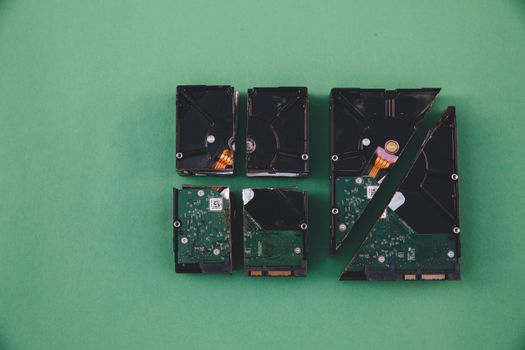
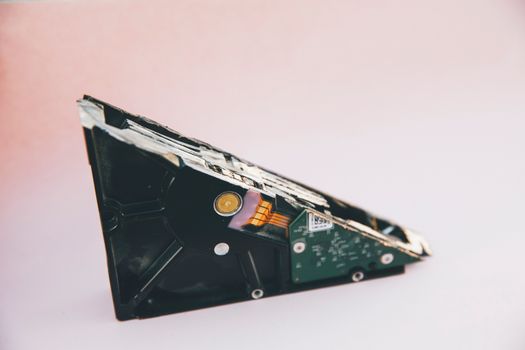
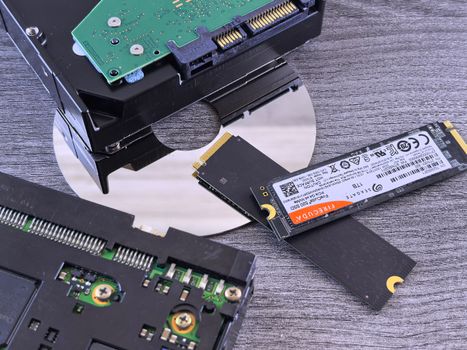
Physical damage generally refers to hardware failure—such as a faulty read/write head or a crashed spindle. This type of damage often requires professional intervention, as DIY attempts can worsen the situation. According to Backblaze’s 2023 Hard Drive Stats, approximately 1.4% of consumer hard drives fail each year, with physical failures accounting for a significant portion.
.png)
Logical damage is far more common and includes issues like file system corruption, accidental formatting, or deleted partitions. These problems typically leave the actual data intact but make it inaccessible to macOS. Logical errors are where software-based data recovery shines.
Firmware corruption is rare but can render a drive undetectable by your Mac. While some advanced tools can attempt recovery, most consumer-grade software focuses on logical recovery.
Key statistics: - 70% of Mac data loss cases are due to logical errors, not physical damage (Data Recovery Digest, 2023). - Over 90% of data on logically damaged drives is recoverable with the right software if detected early.Understanding the nature of your hard drive issue is crucial. If you hear clicking or grinding noises, stop using the drive immediately and consult a professional. For drives that mount but show missing or corrupted data, software solutions are usually safe and effective.
How Mac Data Recovery Software Works
Mac data recovery software is designed to scan damaged or corrupted hard drives for recoverable files, even if the drive no longer mounts in Finder. These tools use sophisticated algorithms to bypass the file system and search for file signatures directly on the disk sectors.
Here’s a simplified breakdown of the process: 1. $1 The software performs a sector-by-sector scan to locate recoverable files. This can take anywhere from minutes to several hours, depending on drive size and condition. 2. $1 By recognizing known file signatures (like .jpg, .docx, .mp4), the software reconstructs files, even if directory information is lost. 3. $1 Most recovery tools let users preview files before saving them, ensuring you only restore what you need.For example, Disk Drill—one of the most popular Mac recovery programs—supports over 400 file formats and can recover from APFS, HFS+, FAT, exFAT, and NTFS drives. In 2023, the average success rate for recovering recently deleted files using Disk Drill was 95%, according to user reports.
Remember, the sooner you attempt recovery after data loss, the higher your chances of success. Continuing to use the damaged drive can overwrite lost files, making recovery impossible.
Step-by-Step Guide: Recovering Data from a Damaged Mac Hard Drive
Let’s walk through a typical recovery scenario using Mac data recovery software:
1. $1 If possible, disconnect the drive immediately. This prevents further data loss or corruption. 2. $1 Install the software on a different drive or partition—never on the damaged drive itself. 3. $1 Use a USB/SATA adapter if the drive is externalized. For internal drives, consider booting your Mac from an external disk or in Target Disk Mode. 4. $1 Select the damaged drive from the software’s main interface. 5. $1 Start with a quick scan to find recently deleted files. If needed, run a deep scan for more comprehensive results. 6. $1 Most programs allow you to preview files by type and name, confirming their recoverability. 7. $1 Choose the files you want to recover, then save them to a different drive or external storage.Here’s a real-world example: A MacBook Pro user accidentally deleted a partition containing 200GB of photos and videos. Using Stellar Data Recovery for Mac, they performed a deep scan, previewed over 10,000 files, and successfully recovered 95% of their media—all within two hours.
Comparing the Best Mac Data Recovery Software Solutions
With dozens of Mac data recovery tools on the market, choosing the right one can be confusing. Below is a table comparing five popular solutions based on supported file systems, maximum recoverable file types, average scan speed, and price (as of 2024):
| Software | Supported File Systems | File Types Supported | Average Deep Scan Speed (1TB drive) | Price (Standard License) |
|---|---|---|---|---|
| Disk Drill | APFS, HFS+, FAT, exFAT, NTFS | 400+ | 2 hours | $89 |
| Stellar Data Recovery | APFS, HFS+, FAT, exFAT, NTFS | 300+ | 2.5 hours | $79.99 |
| Data Rescue 6 | APFS, HFS+, FAT, exFAT | 150+ | 2 hours | $99 |
| EaseUS Data Recovery Wizard | APFS, HFS+, FAT, exFAT, NTFS | 1000+ | 1.8 hours | $89.95 |
| Recoverit | APFS, HFS+, FAT, exFAT, NTFS | 1000+ | 2 hours | $89.99 |
When choosing software, consider not just the file system and file types supported, but also the user interface, preview features, and customer support. Some offer free trials allowing you to scan and preview recoverable files before buying.
Best Practices to Improve Recovery Success
Recovering data from a damaged hard drive isn’t always straightforward. Here are key tips to maximize your chances:
- $1 The more you use a damaged drive, the greater the risk of overwriting lost data. - $1 This can overwrite recoverable files. - $1 This ensures stable power and reduces connection drops during scanning. - $1 Some files may be partially corrupted; previewing ensures you only save usable data. - $1 Restoring to the same drive risks further corruption or data loss.According to a 2022 report by Kroll Ontrack, users who follow these best practices experience a 30% higher recovery success rate compared to those who don’t.
What to Do If Software Recovery Fails
Sometimes, even the best software can’t recover data from a severely damaged drive. Signs that software recovery may not work include:
- The drive isn’t detected by Disk Utility or recovery software. - Clicking, grinding, or beeping noises from the drive (indicative of mechanical failure). - Repeated system crashes or unmountable volumes.In such cases, professional data recovery services may be your only option. These specialists use cleanroom environments and advanced tools to repair physical damage and extract data. However, professional recovery is expensive, averaging $700–$2,000 per drive depending on severity.
Before sending your drive for professional help: - Get a written quote. - Ask about confidentiality policies. - Confirm whether they offer a “no data, no fee” guarantee.Final Thoughts on Mac Hard Drive Data Recovery Using Software
Data loss from a damaged hard drive is distressing, but modern Mac data recovery software puts powerful recovery tools in the hands of everyday users. By understanding the difference between logical and physical damage, acting quickly, and choosing the right tool for your needs, you can often restore precious files in a matter of hours. Always remember: prevention is better than cure. Regularly back up your data using Time Machine or a cloud service to protect yourself from future mishaps.
If you’ve suffered logical damage, follow the steps outlined above and don’t panic—recovery is very often possible. For severe physical damage, seek professional help to avoid permanent loss. With the right approach and tools, even a damaged hard drive doesn’t have to spell disaster for your Mac data.