If you’ve ever experienced the heart-dropping moment when important files vanish from your Mac—whether by accidental deletion, an unexpected crash, or a failing external drive—you’re not alone. According to a 2023 survey by Backblaze, over 25% of Mac users reported some form of data loss in the past year. While Apple’s built-in recovery tools (like Time Machine) are helpful, sometimes they aren’t enough, especially when dealing with external devices or corrupted drives. That’s where external data recovery software comes in, offering Mac users a lifeline for retrieving lost documents, family photos, work projects, and more.
In this comprehensive guide, you’ll learn how to use external data recovery software on your Mac step by step—from choosing the right tool to navigating the recovery process, understanding limitations, and maximizing your chances of a successful rescue.
What Is External Data Recovery Software and Why Use It on a Mac?
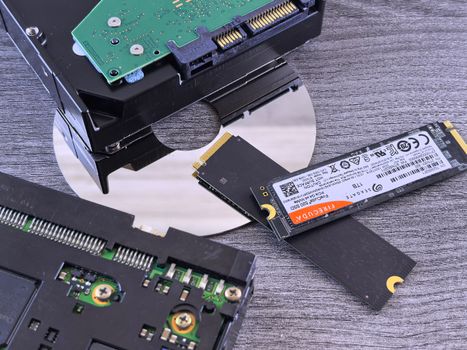
External data recovery software refers to specialized programs designed to recover lost, deleted, or inaccessible data from devices that are not part of your Mac’s internal drive. This includes USB flash drives, external hard drives, SD cards, SSDs, and even memory cards used in cameras or drones.
.png)
Here’s why Mac users often turn to external data recovery tools:
- $1 Built-in Mac utilities rarely support deep recovery on external devices, especially if those devices are formatted in non-Mac file systems like NTFS or exFAT. - $1 External drives are prone to corruption due to unsafe ejection, power loss, or physical damage. Recovery software can often retrieve files from seemingly unreadable disks. - $1 If you haven’t set up Time Machine or another backup, external recovery tools may be your only option. - $1 It’s easy to format the wrong external drive or mistakenly delete files—recovery software can help reverse the mistake if caught quickly.According to EaseUS, over 70% of their Mac data recovery users are attempting to recover data from external devices—not just their Mac’s internal drive.
Choosing the Right External Data Recovery Software for Mac
Not all data recovery software is created equal. The right choice depends on the type of device, the file system, the type of files you want to recover, and your technical comfort level. Below is a comparison of some of the most popular external data recovery tools for Mac users:
| Software | Supported File Systems | Trial Version | Price (as of 2024) | Notable Features |
|---|---|---|---|---|
| Disk Drill | APFS, HFS+, FAT, exFAT, NTFS | Free scan, preview files | $89 (lifetime) | Byte-level backups, partition recovery |
| Stellar Data Recovery | APFS, HFS+, FAT, exFAT, NTFS | Free scan, 1GB free recovery | $69.99/year | Photo/video repair, encrypted drive support |
| PhotoRec | Almost all (open-source) | Fully free | Free | Raw recovery, wide format support |
| EaseUS Data Recovery Wizard | APFS, HFS+, FAT, exFAT, NTFS | Free scan, 2GB free recovery | $89.95/year | Simple interface, filter by file type |
When selecting software, consider:
- $1 Ensure the tool supports the file system used by your external device. - $1 Previewing lets you check if your files are recoverable before committing to a purchase. - $1 Some tools are beginner-friendly, while others (like PhotoRec) are more technical. - $1 Some programs offer lifetime licenses, others are subscription-based.Preparing Your Mac and External Device for Safe Recovery
Before launching into the recovery process, it’s important to prepare both your Mac and the external device to maximize your chances of success and avoid further data loss.
1. $1 Once you realize data is missing, stop saving new files to the external drive to prevent overwriting recoverable data. 2. $1 Faulty cables or USB ports can make drives appear corrupted. Try connecting your device to another port or Mac if possible. 3. $1 macOS Disk Utility’s “First Aid” can sometimes help, but it may also write changes that make recovery harder. Only use it if recovery software can’t detect the drive. 4. $1 To prevent interruptions, go to System Preferences > Battery and set your Mac to not sleep during the recovery process. 5. $1 Recovery software often requires destination space as large as the data you’re recovering—ideally on your Mac’s internal drive, not back onto the source device. 6. $1 Install your chosen recovery software directly onto your Mac’s main drive, not the external device you’re trying to recover from.According to a 2022 Kroll Ontrack report, up to 35% of failed recoveries occur because users continue writing data to the compromised drive before attempting recovery.
Step-by-Step: Using External Data Recovery Software on Your Mac
While each software has its own interface, most follow a similar workflow. Here’s a step-by-step process that applies to the majority of Mac-compatible tools:
1. $1 Use a direct USB or Thunderbolt connection. Avoid using hubs if possible, as they can introduce errors, especially with older or failing drives. 2. $1 Open the installed software and grant any required permissions (macOS Ventura and later may require explicit access to removable drives). 3. $1 The software should list all connected storage devices. Choose your external drive—not your Mac’s internal disk. 4. $1 Most programs offer “Quick Scan” (for recently deleted files) and “Deep Scan” (for formatted or corrupted drives). Deep scans take longer but are more thorough. 5. $1 Once scanning is complete, use built-in preview tools to check if your files are intact. Many programs allow you to filter by file type (e.g., documents, photos, videos). 6. $1 Check the files or folders you wish to restore. Prioritize critical data first. 7. $1 Always recover data to a different drive than the one you’re recovering from—ideally your Mac’s internal SSD or another external device. 8. $1 Start the recovery process. Depending on drive size and scan depth, this may take minutes to hours. Some programs allow you to pause and resume. 9. $1 Open a sampling of recovered files to ensure they aren’t corrupted or incomplete.For example, using Disk Drill, users have reported recovery rates over 85% for recently deleted files from external SSDs and up to 60% from drives with moderate corruption.
Understanding the Limits and Risks of Mac Data Recovery Software
While external data recovery software for Mac can be remarkably effective, it’s not a magic wand. It’s important to understand the factors that influence success:
- $1 If new data has been written to the external drive after the loss, recovery chances drop sharply (sometimes to zero for those files). - $1 Data recovery software cannot fix physically failing drives. If your device is making unusual noises or isn’t recognized at all, professional (hardware-level) recovery may be required. - $1 Severe corruption can make some folders or files unrecoverable. - $1 Drives encrypted with FileVault or other third-party tools require the correct password for recovery; otherwise, files may remain inaccessible. - $1 Heavily fragmented files (especially videos or databases) may recover incompletely.According to a 2023 study by Ontrack, the average recovery success rate for software-based methods is about 65% for logical failures (like accidental deletion or formatting), but drops to under 10% for drives with hardware faults.
Best Practices to Prevent Future Data Loss on Mac and External Drives
Once you’ve successfully recovered your data, consider implementing these best practices to avoid facing the same crisis again:
1. $1 Back up both your Mac and any critical external drives regularly. 2. $1 Always use the “Eject” option before unplugging external devices to avoid corruption. 3. $1 Tools like DriveDx or SMART Utility can alert you to failing external hard drives before catastrophic failure. 4. $1 The moment you notice files are missing, stop using the device and start recovery. 5. $1 For valuable files, use at least two backup locations (e.g., Time Machine + cloud storage).A 2021 IDC survey found that users who regularly back up their Macs and external drives are 85% less likely to suffer permanent data loss.
Final Thoughts on Using External Data Recovery Software for Mac
External data recovery software can be a powerful ally when disaster strikes, often turning a digital catastrophe into a minor inconvenience. Whether you’ve lost critical work files, irreplaceable photos, or an entire drive’s worth of memories, these tools provide hope—even when macOS’s built-in options fall short.
However, their effectiveness depends on acting quickly, choosing the right tool, and following best practices to avoid further data loss. Remember: no software can guarantee 100% recovery, especially in cases of physical damage or severe corruption. But with the right approach and a bit of patience, Mac users can frequently rescue their data and get back to what matters most.