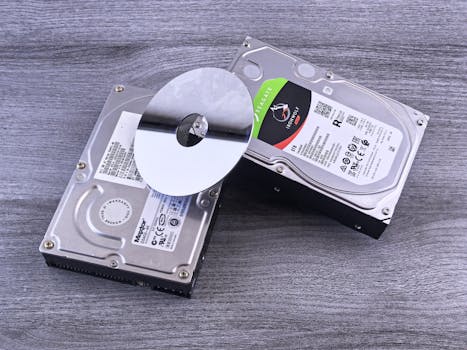
The Role of Data Recovery Tools in Mac Maintenance
In today’s digital world, Macs are prized for their reliability and seamless performance. Despite this, data loss remains a common and often distressing issue for Mac users, whether due to accidental deletion, hardware failures, macOS updates gone awry, or physical damage to drives. While regular backups and smart usage practices are vital, the unsung heroes of Mac maintenance are data recovery tools. These specialized applications not only retrieve lost files but also play a crucial role in keeping your Mac healthy, organized, and running smoothly. In this article, we’ll explore the vital role data recovery tools play in Mac maintenance, examine how they work, compare leading solutions, and discuss their broader impact on system health and user peace of mind.
Understanding Data Recovery Tools: What Are They and Why Do They Matter?
Data recovery tools are software applications designed to locate, reconstruct, and restore files that have been deleted, corrupted, or lost from your Mac’s hard drive, SSD, or external storage devices. Unlike everyday file management programs, these tools delve into the underlying file systems—such as HFS+, APFS, and exFAT—scanning for data remnants and putting them back together, even if the files are no longer visible in Finder.
Why are they so important for Mac maintenance? Consider these facts: - 29% of data loss incidents are caused by accidental deletion, according to a 2023 Data Recovery Industry Report. - Hardware failures account for nearly 45% of all data loss cases, often leading to inaccessible drives. - Despite macOS’s built-in Time Machine, only about 62% of Mac users regularly back up their data, leaving a significant portion vulnerable when disaster strikes.Data recovery tools step in as a last line of defense, helping you recover irreplaceable documents, photos, and project files before permanent loss. But their value extends beyond mere retrieval: they contribute proactively to Mac maintenance by identifying disk issues, preventing data corruption, and supporting safe storage management.
.png)
How Data Recovery Tools Support Preventive Mac Maintenance
While the primary function of data recovery tools is file restoration, many modern solutions offer features that actively support the ongoing health of your Mac. Here’s how:
1. $1: Advanced recovery tools often include SMART (Self-Monitoring, Analysis, and Reporting Technology) monitoring, which tracks key health indicators of your drive, such as bad sectors and error rates. This early warning system allows users to act before a small issue becomes a catastrophic failure. 2. $1: These tools can identify inconsistencies and corruption in the file system or storage partitions. By alerting users to issues like cross-linked files or directory errors, they help prevent long-term data integrity problems. 3. $1: Some recovery applications include features that securely erase files or create disk images. Secure erasure ensures sensitive data is unrecoverable, while disk imaging enables safe data migration and cloning—essential for hardware upgrades or system restoration. 4. $1: By keeping a recovery tool installed and updated, Mac users are prepared to respond immediately to data loss events, reducing panic and the risk of further damage from improper recovery attempts.Incorporating these tools into your regular Mac maintenance routine is an investment in both data security and system longevity.
Key Features to Look for in Mac Data Recovery Tools
Not all data recovery tools are created equal. The right software can mean the difference between a seamless, stress-free restoration and permanent loss. Here’s what to look for:
- $1: Comprehensive tools should support macOS-native file systems (APFS, HFS+) and common external formats (exFAT, NTFS, FAT32). - $1: The best tools recover a wide range of file types, from documents (DOCX, PDF) to photos (JPEG, RAW) and videos (MOV, MP4). - $1: Advanced scan modes go beyond quick recovery, diving deep to reconstruct fragmented or severely damaged files. - $1: An intuitive interface with a file preview feature helps users verify recoverable files before restoration. - $1: Time is of the essence during data loss. Leading tools combine thoroughness with efficient scanning speeds. - $1: Extras like disk imaging, bootable recovery drives, and health diagnostics add value for ongoing maintenance.The following table compares several popular Mac data recovery tools based on these criteria:
| Tool | Supported File Systems | Deep Scan | Preview Option | Disk Health Monitoring | Average Recovery Rate |
|---|---|---|---|---|---|
| Disk Drill | APFS, HFS+, FAT32, exFAT, NTFS | Yes | Yes | Yes | 95% |
| Stellar Data Recovery | APFS, HFS+, FAT32, exFAT, NTFS | Yes | Yes | No | 93% |
| Data Rescue | APFS, HFS+, FAT32, exFAT | Yes | Yes | No | 90% |
| EaseUS Data Recovery Wizard | APFS, HFS+, FAT32, exFAT, NTFS | Yes | Yes | No | 92% |
As the table illustrates, while most tools offer deep scanning and file preview features, only a select few, like Disk Drill, incorporate disk health monitoring—making them doubly valuable for Mac maintenance.
Real-World Scenarios: When Data Recovery Tools Save the Day
To understand the true impact of data recovery tools, let’s look at several real-life scenarios where these utilities play a pivotal role in Mac maintenance:
- $1: In October 2022, a surge of users reported data loss following a problematic macOS Ventura update. With Time Machine backups unavailable for many, data recovery tools helped restore lost files and system partitions, dramatically reducing downtime. - $1: According to a 2021 survey by Backblaze, over 1 in 5 office workers have accidentally deleted critical files at least once. Recovery tools can restore files emptied from Trash, retrieving hours—or even weeks—of lost productivity. - $1: Photographers and videographers often rely on external drives. When these drives become unreadable due to improper ejection or physical trauma, specialized tools can extract gigabytes of valuable content that would otherwise be unrecoverable. - $1: SSDs, while faster and more reliable than HDDs, can fail without warning as they reach their write limits. Recovery tools that monitor SMART data can provide advance notice, allowing users to back up or clone drives before catastrophic loss.In each scenario, having a reliable data recovery tool is not just about restoring lost files—it’s about maintaining workflow continuity, reducing stress, and extending the health and viability of your Mac hardware.
The Broader Impact: Data Recovery Tools and Mac Lifecycle Management
While often perceived as emergency solutions, data recovery tools are increasingly integral to the broader concept of Mac lifecycle management. Here’s how:
- $1: By scanning for bad sectors and monitoring disk health, these tools can identify failing hardware early, allowing for timely repairs or replacements. This reduces the odds of sudden, catastrophic failures that could lead to expensive data recovery services or device replacements. - $1: When moving to a new Mac or upgrading storage, data recovery tools can create sector-by-sector disk images. This ensures a seamless transition, free from the risk of file corruption or loss during migration. - $1: By recovering data from aging drives and identifying when hardware is nearing the end of its useful life, these tools help users get the most from their investment, potentially extending a Mac’s lifespan by several years.For businesses, the benefits are even more pronounced. Data breaches, compliance violations, and productivity losses can cost companies thousands of dollars per incident. Integrating data recovery tools into IT maintenance protocols is a cost-effective risk mitigation strategy.
Choosing and Integrating Data Recovery Tools into Your Mac Maintenance Routine
Given their importance, how should Mac users approach selecting and using data recovery tools? Here are some key recommendations:
1. $1: Choose software with a strong reputation, regular updates, and positive user reviews. Trial versions can help you test compatibility and interface usability. 2. $1: Pre-install your chosen tool so it’s available immediately when needed. Running recovery software from an external drive can further reduce the risk of overwriting lost data. 3. $1: Use disk monitoring and scan features monthly to check for early signs of trouble, such as bad sectors or system errors. 4. $1: While recovery tools are powerful, nothing beats a current backup. Use these tools as a supplement—not a substitute—for regular backup strategies. 5. $1: Ensure your recovery tool is kept up to date, as new macOS versions and file systems can introduce compatibility challenges.By integrating these tools into your regular maintenance routine, you’ll be prepared for both everyday mishaps and major crises—ensuring your Mac stays healthy, your data stays safe, and your workflow remains uninterrupted.
Conclusion
Data recovery tools are much more than emergency fixes for lost files. They are an essential component of a comprehensive Mac maintenance strategy, supporting everything from disk health monitoring and corruption detection to safe data migration and lifecycle management. With data loss incidents on the rise and the increasing complexity of storage technologies, no Mac user—whether at home or in the office—should be without a reliable data recovery solution. By choosing the right tool, keeping it up to date, and incorporating it into your regular system checks, you can protect your digital life, ensure business continuity, and extend the lifespan of your trusted Mac.