Keeping your sensitive information secure is more important than ever, and Mac users are not immune to digital threats. Whether you're concerned about hackers, device theft, or accidental data leaks, encrypting and protecting your data on a Mac should be a top priority. Fortunately, Apple has built a robust set of security features into macOS, but knowing how to use them—and when to go beyond the basics—can make all the difference. In this guide, we’ll explore the best practices for encrypting and protecting your data on a Mac, including essential built-in tools, advanced methods, and practical steps anyone can follow.
Understanding Data Encryption on Mac: Why It Matters
Data encryption is the process of encoding information so that only authorized parties can access it. On a Mac, encryption helps protect your files from unauthorized access, especially if your device is lost or stolen. According to a 2023 report from the Identity Theft Resource Center, over 1,800 data breaches occurred in the United States in 2022, exposing more than 400 million sensitive records. While Macs are generally considered secure, no system is completely immune to threats, making encryption a critical line of defense.
Apple’s macOS offers strong, user-friendly encryption tools, but their effectiveness depends on how you use them. Encryption protects your data at rest—meaning files stored on your disk—but additional measures are needed for data in transit (like emails and uploads) and for safeguarding backups or external drives.
.png)
FileVault: macOS’s Built-In Full-Disk Encryption
Apple’s FileVault is the primary encryption tool for macOS, providing full-disk encryption that secures all data stored on your internal drive. When FileVault is enabled, your Mac’s data is encrypted using XTS-AES-128 encryption with a 256-bit key, a standard trusted by security professionals and organizations worldwide.
To enable FileVault: 1. Open System Settings (or System Preferences) and go to Privacy & Security. 2. Select FileVault and click “Turn On FileVault.” 3. Follow the prompts to choose your recovery method. Key facts about FileVault: - Introduced in OS X Lion (2011), FileVault 2 encrypts the entire disk, not just the user’s home folder. - Your data is automatically decrypted when you log in with your password or Touch ID. - If you forget your password and lose your recovery key, your data cannot be recovered—so store the recovery key securely.FileVault is highly recommended for all Mac laptops, especially those that are portable and more likely to be lost or stolen. It is also suitable for desktops with sensitive data. According to Apple’s own documentation, enabling FileVault has a negligible impact on system performance on Macs with SSDs, thanks to hardware acceleration.
Securing External Drives and Backups: Beyond Built-In Encryption
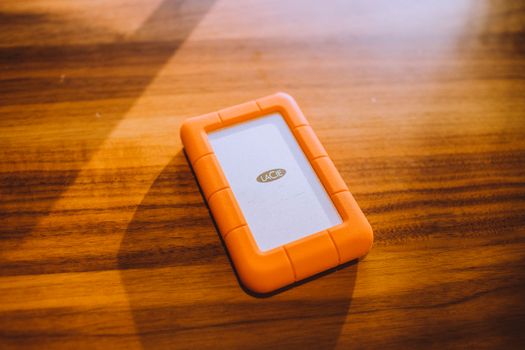
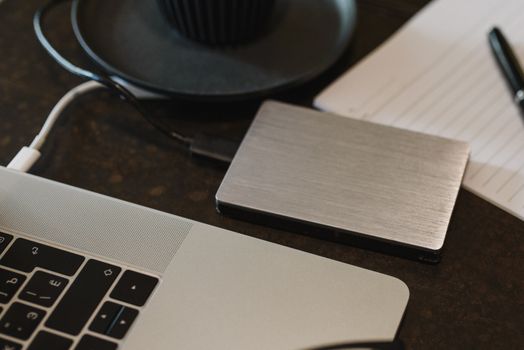
FileVault only protects your Mac’s internal drive. External drives and backup devices, which often contain sensitive data, require their own protection. Fortunately, macOS provides built-in tools for encrypting these as well.
Encrypting external drives: - Right-click the drive in Finder and select “Encrypt [Drive Name].” - Set a strong password and a hint (do not forget this password). For Time Machine backups: - When setting up a new backup disk, select “Encrypt backups.” - Existing Time Machine drives can be reformatted and encrypted, but this erases current backups. For cloud backups (e.g., iCloud Drive, Dropbox): - Use third-party tools like VeraCrypt or Cryptomator to create encrypted containers or folders before syncing files to the cloud.Comparison of Encryption Options for External Storage:
| Method | Supported Drives | Encryption Standard | Setup Complexity | Best Use Case |
|---|---|---|---|---|
| Finder Encryption | USB, External HDD/SSD | AES-128 | Easy | Personal files |
| Time Machine Encryption | Time Machine Backups | AES-128 | Easy | Backup protection |
| VeraCrypt | Any external drive | AES, Serpent, Twofish | Moderate | Advanced users, cross-platform |
| Cryptomator | Cloud folders | AES-256 | Easy | Cloud sync security |
By encrypting external drives and backups, you ensure that your sensitive data remains protected even if a device is misplaced, stolen, or accessed by unauthorized users.
Password Management: The First Line of Defense
Even the best encryption is only as secure as your password. Weak or reused passwords are a leading cause of data breaches. According to Verizon’s 2023 Data Breach Investigations Report, over 80% of hacking-related breaches involved weak or stolen passwords.
Best practices for password management on a Mac: - Use strong, unique passwords for your Mac login, encrypted drives, and keychain. - Enable two-factor authentication (2FA) for your Apple ID and any cloud services. - Rely on macOS’s built-in Keychain Access for secure password storage, or use a trusted third-party password manager like 1Password or Bitwarden.Keychain Access securely stores passwords, Wi-Fi credentials, certificates, and even encrypted notes. It is protected by your Mac login password and integrates seamlessly with Safari and iCloud Keychain for syncing across devices.
A strong password should: - Be at least 12 characters long - Include a mix of uppercase, lowercase, numbers, and symbols - Avoid common words, phrases, or easily guessable informationProtecting Data in Transit: Secure Your Network Activity
Encryption isn’t just about files on your Mac—it’s also about securing data as it travels across networks. Hackers can intercept unencrypted network traffic, especially on public Wi-Fi.
Best practices for securing data in transit: - Always use HTTPS websites. Safari marks unsecured (HTTP) sites as “Not Secure.” - Enable Mail encryption (S/MIME) for sensitive emails; Apple Mail supports encrypted messages if both sender and recipient have certificates. - Consider using a reputable Virtual Private Network (VPN) for added privacy on public networks. VPNs encrypt your internet traffic, making it harder for eavesdroppers to intercept data.According to Statista, in 2023, over 30% of internet users worldwide reported using a VPN for privacy and security. While macOS encrypts some network data by default, adding a VPN provides an extra layer of protection, especially for travelers and remote workers.
Advanced Tips: Secure Erase, Shared Users, and File Sharing
True data protection goes beyond encryption. Here are additional steps advanced users can take to safeguard their information:
Secure erasure: When deleting sensitive files or preparing a Mac for resale, use Disk Utility’s “Erase” function with the “Security Options” slider set to at least one-pass overwrite. While SSDs make secure deletion complex, this reduces the risk of file recovery.
Managing shared users: Limit the number of user accounts with administrative privileges. Use “Standard” accounts for everyday tasks and reserve the “Admin” account for installations or system changes.
Control file sharing: Disable file sharing in System Settings unless absolutely necessary. If you must share files, use AirDrop (which uses end-to-end encryption) or password-protected shared folders.
Enable automatic lock and screen saver: Set your Mac to require a password immediately after sleep or screen saver begins. This is especially important for laptops used in public places.
Keep software and security updates current: Apple regularly patches vulnerabilities. In 2023, Apple fixed over 100 security flaws in macOS Ventura and Sonoma—delaying updates increases risk.
Final Thoughts on Encrypting and Protecting Data on a Mac
Encrypting and protecting your data on a Mac is not a one-time task, but an ongoing commitment. With built-in tools like FileVault, Keychain Access, and encrypted Time Machine backups, Apple provides a strong foundation for privacy and security. However, combining these with strong password habits, secure network practices, and advanced precautions maximizes your defenses against today’s digital threats.
Adopting these best practices will help you keep your personal and professional data safe, whether you’re working from a coffee shop, traveling abroad, or simply storing cherished memories on your Mac. Remember, the cost of a breach or data loss—whether it’s financial, reputational, or emotional—is far higher than the effort required to secure your Mac today.