Keeping your data safe has never been more crucial. From irreplaceable family photos to years of work documents, losing files to a Mac crash, theft, or accidental deletion can be devastating. While cloud storage is popular, nothing beats the control, speed, and peace of mind offered by a reliable external drive. But with hundreds of options on the market—ranging from classic spinning hard drives to blazing-fast SSDs—choosing the right one for your Mac backup can be confusing. This article unpacks the key factors, tips, and insider insights to help you select (and use) the best external drives for data backup on a Mac.
Why External Drives Are Essential for Mac Backups
Macs are known for their reliability, but even the best hardware can fail—or fall victim to accidents, theft, or malware. According to Backblaze’s 2023 drive statistics, about 1.4% of hard drives fail annually, while SSDs, though more reliable, aren’t immune to data corruption or sudden failure. Apple’s built-in Time Machine makes backing up to an external drive seamless, creating hourly snapshots and restoring files or entire systems with a few clicks.
External drives also offer: - $1 Restore large amounts of data much quicker than most cloud solutions. - $1 No third-party access—your files remain physically in your possession. - $1 Expand your backup as your data grows, without monthly fees.Key Factors to Consider When Choosing a Mac Backup Drive
Before buying an external drive, consider these criteria to ensure it fits your backup needs:
.png) 1. $1
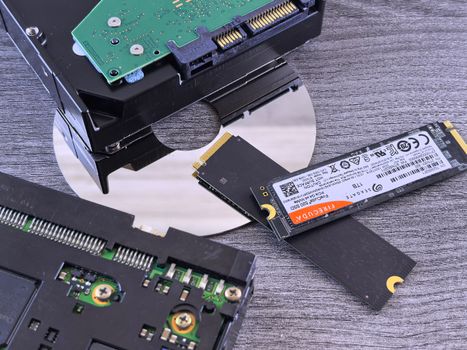
- Hard Disk Drives (HDDs) offer larger capacities (up to 20TB) for less money, but are slower and less durable.
- Solid State Drives (SSDs) are much faster and more durable due to no moving parts, but cost more per gigabyte.
2. $1
- Estimate your backup needs. Apple recommends having an external drive that’s at least twice the size of your Mac’s internal storage. For example, if you have a 512GB MacBook, a 1TB or 2TB drive is ideal.
3. $1
- Thunderbolt 3/4: Fastest speeds (up to 40Gbps), ideal for large backups and future-proofing.
- USB 3.2 or USB-C: More affordable and widely supported, offering transfer speeds up to 10Gbps.
4. $1
- Ensure the drive is formatted for macOS (APFS or HFS+). Many drives come preformatted for Windows (NTFS), but can be easily reformatted with Disk Utility.
5. $1
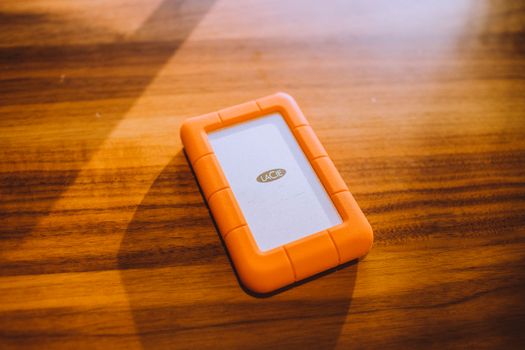
- For users on the go, choose a compact, shock-resistant drive. Some models, like LaCie Rugged or SanDisk Extreme, are designed to withstand drops and water exposure.
6. $1
- Drives with built-in encryption add an extra layer of protection, especially for sensitive data.
1. $1
- Hard Disk Drives (HDDs) offer larger capacities (up to 20TB) for less money, but are slower and less durable.
- Solid State Drives (SSDs) are much faster and more durable due to no moving parts, but cost more per gigabyte.
2. $1
- Estimate your backup needs. Apple recommends having an external drive that’s at least twice the size of your Mac’s internal storage. For example, if you have a 512GB MacBook, a 1TB or 2TB drive is ideal.
3. $1
- Thunderbolt 3/4: Fastest speeds (up to 40Gbps), ideal for large backups and future-proofing.
- USB 3.2 or USB-C: More affordable and widely supported, offering transfer speeds up to 10Gbps.
4. $1
- Ensure the drive is formatted for macOS (APFS or HFS+). Many drives come preformatted for Windows (NTFS), but can be easily reformatted with Disk Utility.
5. $1
- For users on the go, choose a compact, shock-resistant drive. Some models, like LaCie Rugged or SanDisk Extreme, are designed to withstand drops and water exposure.
6. $1
- Drives with built-in encryption add an extra layer of protection, especially for sensitive data.
Top External Drive Recommendations for Mac Backup
To help you navigate the crowded market, here’s a comparison of top-rated external drives for Mac backups in 2024:
| Model | Type | Capacity Range | Max Speed | Connection | Best For |
|---|---|---|---|---|---|
| Samsung T7 SSD | SSD | 500GB-4TB | 1,050 MB/s | USB 3.2 Gen 2 (USB-C) | Performance, Portability |
| WD My Passport | HDD | 1TB-5TB | 130 MB/s | USB 3.2 Gen 1 (USB-A/C) | Affordable, High Capacity |
| LaCie Rugged SSD Pro | SSD | 1TB-4TB | 2,800 MB/s | Thunderbolt 3/USB-C | Outdoor, Durability |
| Seagate Backup Plus Hub | HDD | 4TB-18TB | 160 MB/s | USB 3.0 (USB-A) | Desktop, Large Backups |
| SanDisk Extreme Portable SSD V2 | SSD | 500GB-4TB | 1,050 MB/s | USB 3.2 Gen 2 (USB-C) | Travel, Speed |
Each of these drives is widely compatible with macOS and supports Time Machine backups. For most users, a 1TB–2TB SSD offers the ideal blend of speed, reliability, and portability.
How to Set Up and Optimize Your Mac Backup Drive
Getting the most from your external drive starts with proper setup and smart usage:
1. $1 - Use Disk Utility (Applications > Utilities) to erase and format your drive as APFS (best for SSDs) or Mac OS Extended (Journaled) for HDDs. 2. $1 - Connect your drive, open System Settings > General > Time Machine, and select your drive. Time Machine handles hourly, daily, and weekly backups automatically. 3. $1 - Besides Time Machine, consider periodically cloning your Mac with tools like Carbon Copy Cloner or SuperDuper!. Cloned drives are bootable and provide a full system recovery option. 4. $1 - Always eject your drive before unplugging to prevent data corruption. 5. $1 - For maximum safety, rotate between two external drives or combine local and cloud backups. In a 2022 survey by Acronis, 43% of users who lost data had only a single backup copy.Tips for Maintaining External Drives and Ensuring Data Integrity
A backup is only as good as its reliability. Use these strategies to make sure your backup drive doesn’t let you down:
- $1 Every few months, restore a few files to confirm your backups are working correctly. - $1 Use tools like DriveDx or SMART Utility to check for warning signs of drive failure. - $1 Avoid exposing your drive to heat, moisture, or magnetic fields. For portable drives, choose models with rugged or water-resistant ratings. - $1 Some SSDs and HDDs receive firmware updates for improved reliability. Check the manufacturer’s website annually. - $1 Hard drives over 5 years old and SSDs with high write cycles are at greater risk of failure. Plan replacements proactively—don’t wait for a crash.Advanced Backup Strategies for Mac Power Users
If your data is mission-critical, consider these expert-level backup tactics:
- $1 For stationary setups, a RAID 1 (mirroring) array like the OWC Mercury Elite Pro Dual provides real-time duplication—if one drive fails, the other still has your data. - $1 Store a copy of your backup drive at a trusted friend’s house or safety deposit box, protecting against fire or theft at home. - $1 Enable FileVault on your Mac and use drives with hardware encryption. In 2021, the FBI reported a 62% increase in ransomware attacks targeting personal data—encryption helps prevent unauthorized access. - $1 Use Time Machine’s scheduling features or third-party apps to back up during off-hours, minimizing interruptions.These strategies are especially valuable for small business owners, photographers, or anyone with irreplaceable digital assets.
Final Thoughts: Making the Right Choice for Your Mac Backup
Choosing and using the right external drive for your Mac backup isn’t just about buying the latest gadget—it’s about safeguarding your digital life. Whether you prioritize speed, capacity, or ruggedness, there’s a drive on the market to match your needs. Remember: the best backup drive is one you actually use, maintain, and periodically test. Back up often, keep multiple copies, and sleep easier knowing your data is protected from the unexpected.