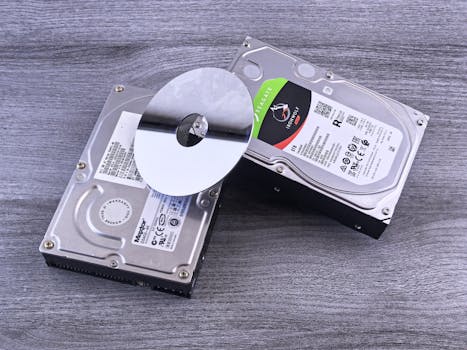
Recovering lost files on a Mac doesn't have to be a daunting task. With the right tools and strategies, you can increase the chances of retrieving your important data. Whether you use the built-in features of macOS or opt for third-party software, understanding your options is crucial.
Built-in Recovery Features
MacOS is designed with several user-friendly features that can help you recover lost or deleted files with ease:
.png)
- Trash Bin: Always start by checking the Trash Bin when you've deleted a file. Files aren't immediately removed from your Mac when you delete them; they are moved to the Trash Bin. You can restore these files by right-clicking on them in the Trash Bin and selecting "Put Back," which will return them to their original location.
- Time Machine: For more comprehensive recovery, Time Machine is a powerful built-in backup feature. If you've set it up beforehand, Time Machine keeps snapshots of your entire system at regular intervals, allowing you to recover files, folders, and even the entire system from different points in time. Connect your backup drive, open Time Machine, and navigate through the timeline to locate and restore needed files.
Third-Party Recovery Tools
Sometimes, built-in tools might not be able to handle complex data loss scenarios like severe corruption or formatted drives. In such cases, third-party recovery software can be a lifesaver:
- Disk Drill: Known for its robust recovery capabilities, Disk Drill can perform deep scans and recover over 400 different types of files. Its intuitive interface makes it easy for users to preview and select files for recovery.
- EaseUS Data Recovery Wizard: This software is acclaimed for its simplicity and effectiveness, making it ideal for both tech-savvy users and beginners. It can help retrieve various kinds of data lost due to deletion, formatting, partition loss, system crashes, or virus attacks.
Preventive Measures
Implementing preventive measures is the best strategy to avoid data loss:
- Regular Backups: Make it a habit to regularly back up your data using Time Machine or any other reliable backup method. Ensure that your backup drives are well-maintained and replace them over time to avoid data loss due to drive failure.
- Cloud Storage: Leveraging cloud services like iCloud, Dropbox, or Google Drive for backing up your files not only provides additional security but also allows easy access to your files from any device, anywhere.
- Software Updates: Keep your macOS and all applications up to date. Updates typically include security enhancements and bug fixes that help protect your data.
- Safe Computing Practices: Exercise caution while browsing the internet and downloading applications. Utilize antivirus software and be wary of opening unknown emails or links, which can expose your system to risks.
Conclusion
Understanding the file restoration capabilities of your Mac is crucial for recovering lost data and maintaining the integrity of your files. By using both built-in and third-party solutions effectively, you can handle various data loss situations with confidence. Remember, the key to data security lies in taking proactive steps to protect your data, with regular backups being the cornerstone of data loss prevention.